

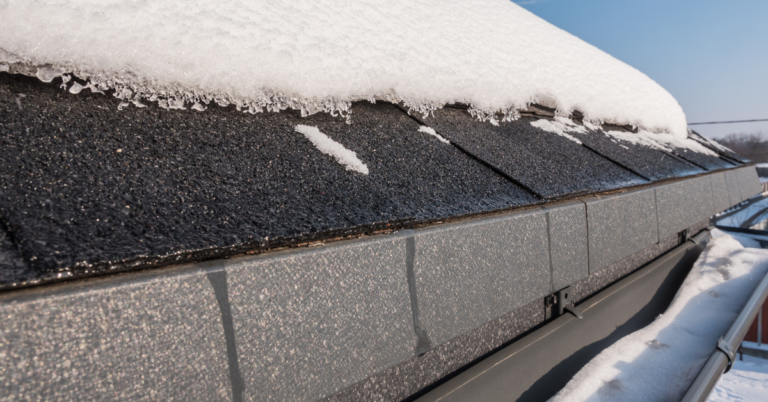
October in Louisville is a narrow window. The leaves are turning, the temperatures are dropping, and your roof is about to face one of the most demanding seasons of the year. Cold temperatures, ice, and freeze-thaw cycles can turn a small roofing issue into a serious and costly problem almost overnight.
The good news is that most winter roof damage is preventable. A quick inspection now can save you from emergency calls in January. Here are five signs that your roof needs attention before the first freeze arrives.
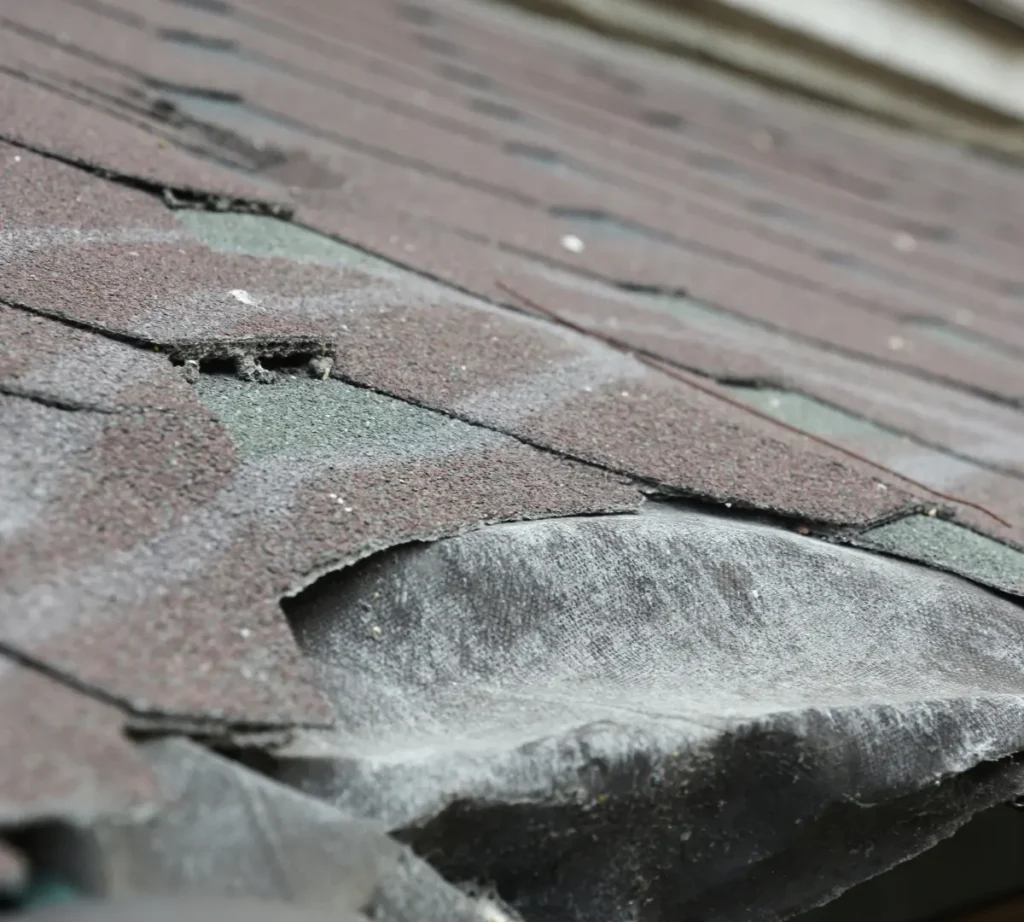
1. You Have Missing or Damaged Shingles
Missing shingles are one of the most visible signs that your roof is vulnerable. A shingle that has cracked, curled, or blown off entirely leaves the underlayment beneath it exposed to rain, ice, and wind. Once water gets beneath the surface, it can penetrate your attic, damage insulation, and lead to mold growth over the winter months. Walk around your home after the next windstorm and look for shingles in your yard or gutters. If you spot any, it is time to call for an inspection.
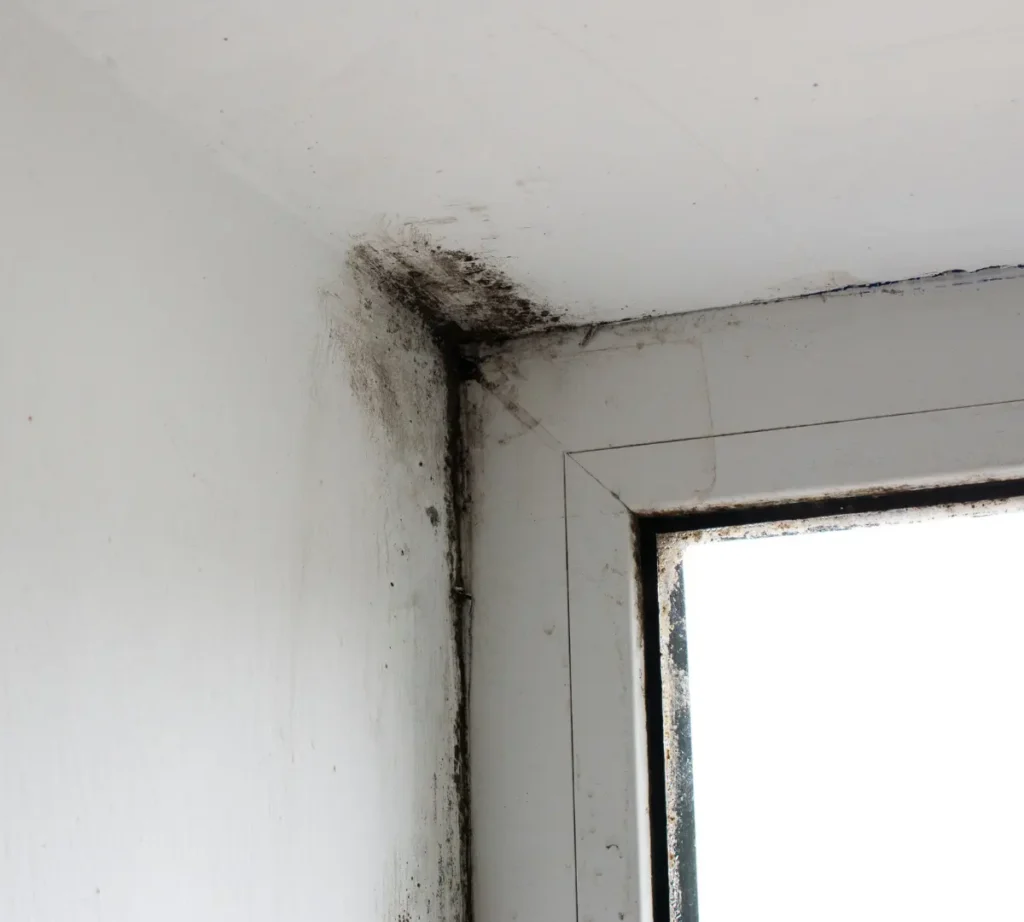
2. Your Attic Has Signs of Moisture or Daylight
Your attic tells the story of your roof's health. On a bright day, go into your attic and look up. If you can see any light coming through the roof boards, water can get through too. Also look for water stains, damp insulation, or any soft spots in the wood. Moisture in the attic during winter creates the perfect conditions for ice dams, which form when heat escapes through the roof, melts snow, and then refreezes at the eaves. Ice dams can cause significant damage to your shingles, gutters, and the interior of your home.
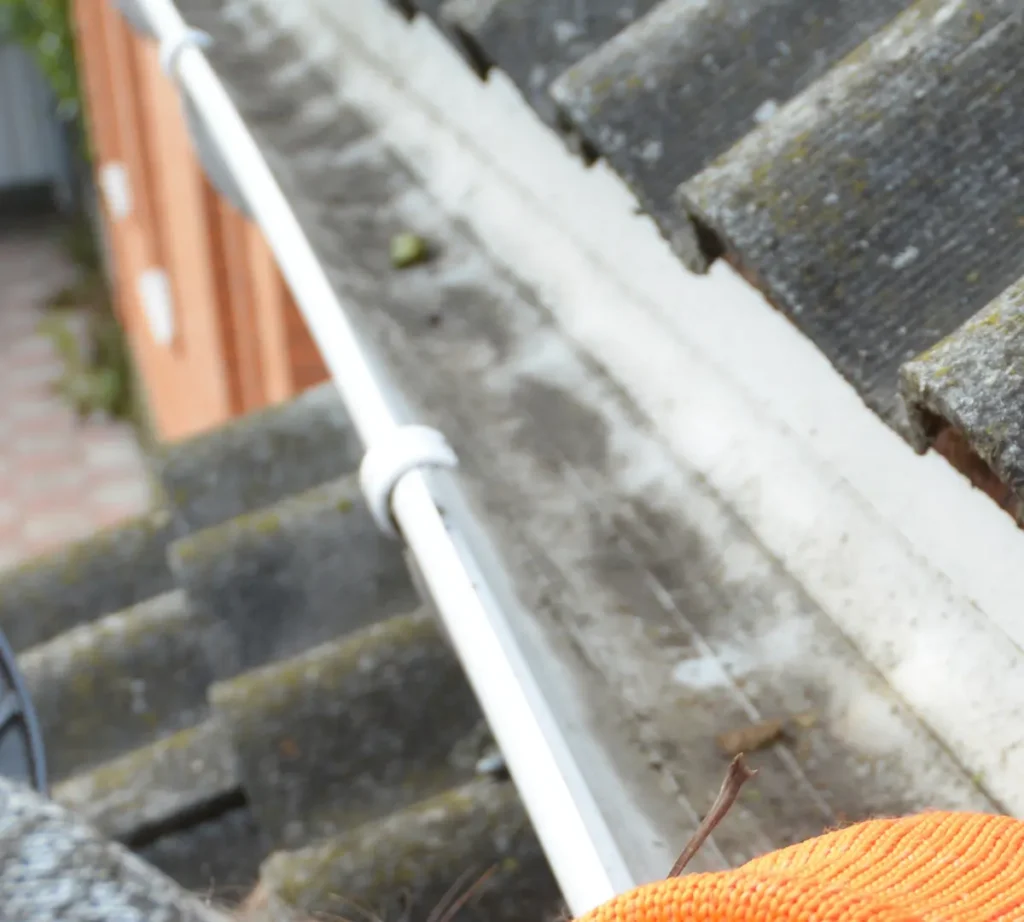
3. Your Gutters Are Full of Granules
Asphalt shingles shed granules as they age. A small amount of granule loss is normal, but if your gutters are collecting significant amounts of grit after every rain, your shingles may be nearing the end of their lifespan. Granules protect the asphalt layer beneath them from UV rays and weather. Without them, shingles become brittle and far more susceptible to cracking under the weight of snow and ice. Check your downspout drainage areas after a heavy rain. If you see a significant buildup of dark, sand-like material, have your roof evaluated before winter sets in.
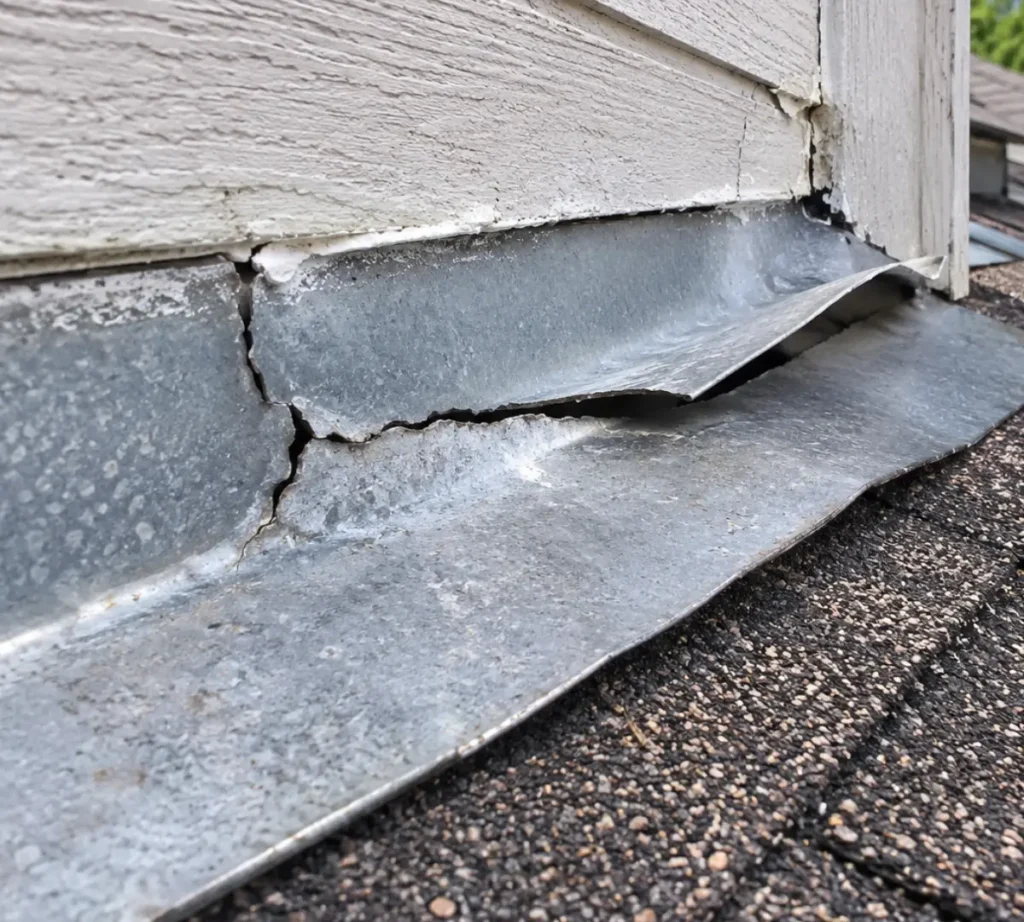
4. Your Flashing Is Cracked or Pulling Away
Flashing is the metal material installed around chimneys, skylights, vents, and roof valleys to prevent water from seeping into the joints. Over time, flashing can crack, rust, or pull away from the surface it is sealing. These gaps become entry points for water, especially during the heavy rains and ice melt that come with a Kentucky winter. Flashing repairs are relatively straightforward when caught early. Left unaddressed through a full winter, they can lead to significant interior water damage.
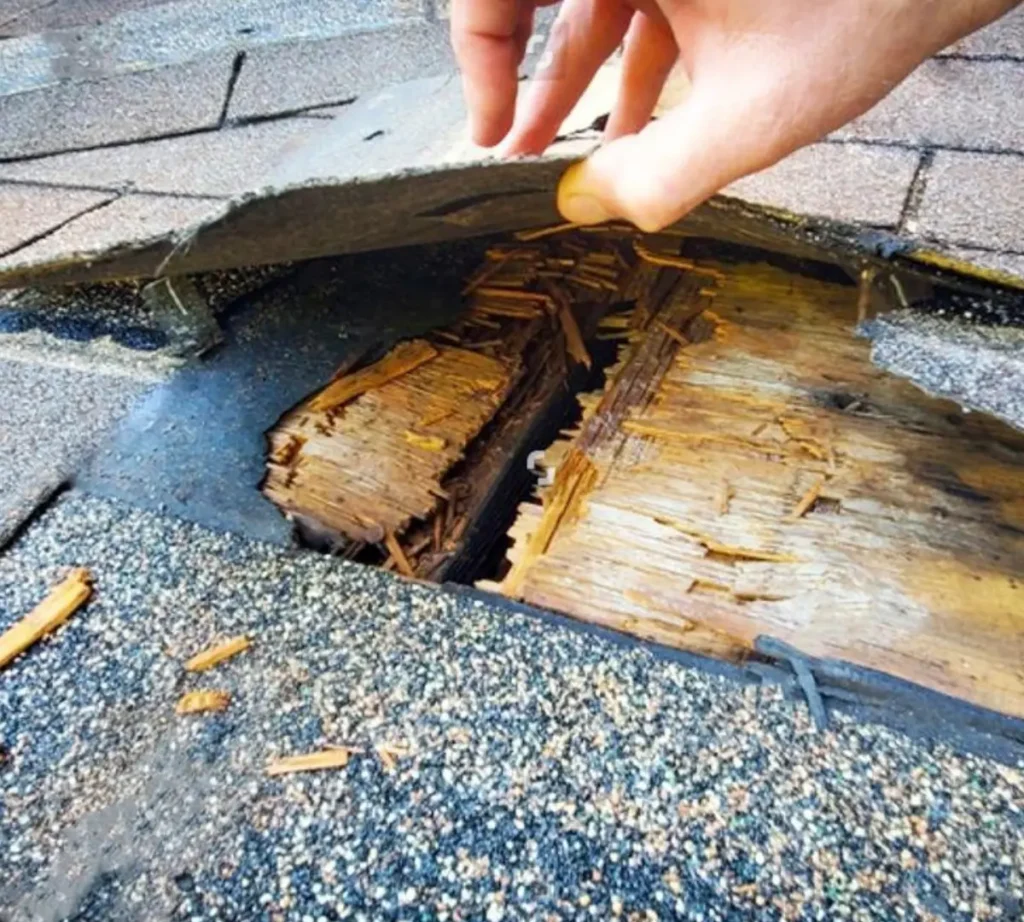
5. You Notice Sagging or Soft Spots
A sagging roofline or soft spots when you walk on the roof are serious warning signs. Sagging typically indicates that moisture has compromised the structural decking beneath the shingles. This is not a cosmetic issue. It is a structural one that will only worsen under the weight of snow and ice. If you notice any areas where the roofline dips or appears uneven, do not wait. This type of damage requires prompt attention.

Act Now Before the Window Closes
Roofing work becomes more difficult and more expensive in the winter. Cold temperatures affect how materials are installed, and many types of repairs simply cannot be done safely in freezing conditions. The fall is your best opportunity to address issues while the weather is still cooperative.
At Evergreen Construction and Remodeling, we offer free, no-obligation roof inspections for Louisville and Southern Indiana homeowners. Our team will give you an honest assessment of your roof’s condition and a clear plan for any repairs needed before winter arrives.